Mindfulness is not just a buzzword; it's a transformative practice that can enhance our daily lives. In a world filled with distractions, developing mindfulness can provide us with the tools we need to navigate stress and improve our mental well-being. This article will delve into practical tips for integrating mindfulness into your daily routine, utilizing concepts from Dialectical Behavior Therapy (DBT) while exploring emotional regulation, distress tolerance, and interpersonal effectiveness.

Understanding Mindfulness in Daily Life
What is Mindfulness?
Mindfulness is the practice of being fully present in the moment without judgment. It involves observing your thoughts, feelings, and surroundings with curiosity and acceptance. This state of awareness helps you recognize your emotional landscape and fosters a sense of calm amidst chaos.
Why Does Mindfulness Matter?
The benefits of mindfulness are numerous. Research shows that it can reduce anxiety, enhance focus, improve emotional regulation, and increase overall well-being. By practicing mindfulness, you're not just enhancing your mental health; you're also enriching your relationships and day-to-day interactions.
Integrating Mindfulness into Your Daily Routine
Developing mindfulness isn't about making drastic changes in your life; it's about incorporating small practices into your daily routine. Here are some practical tips:
Practical Tips for Developing Mindfulness in Your Daily Routine
1. Start Your Day with Intention
Morning Rituals: Begin your day by setting an intention. This could be as simple as deciding to approach the day with gratitude or patience. Take a few minutes before you get out of bed to breathe deeply and focus on what you want to achieve.
Journaling: Consider keeping a mindfulness journal where you note down your intentions for the day along with reflections on how you feel.
2. Use Mindful Breathing Techniques
DBT Mindfulness Techniques: One effective way to cultivate mindfulness is through focused breathing exercises. Spend five minutes each morning or during breaks to concentrate solely on your breath—inhale deeply through your nose, hold for a moment, then exhale slowly through your mouth.
Benefits: This simple practice can significantly reduce stress levels and help center your thoughts throughout the day.
3. Practice Mindful Eating
Awareness During Meals: Turn off all distractions while eating—no phones or TV! Focus entirely on the taste, texture, and aroma of your food. This can transform eating from a mundane task into a pleasurable experience.
Reflection: After meals, reflect on how mindful eating has changed your relationship with food.
4. Incorporate Movement into Mindfulness
Mindful Walking: Whether it’s during lunch breaks or after work, try walking mindfully. Pay attention to each step—the feeling of your feet against the ground or the rhythm of your breath as you walk.
Yoga & Stretching: Participating in yoga or stretching routines can help deepen body awareness and promote relaxation.
5. Engage in Regular Reflection
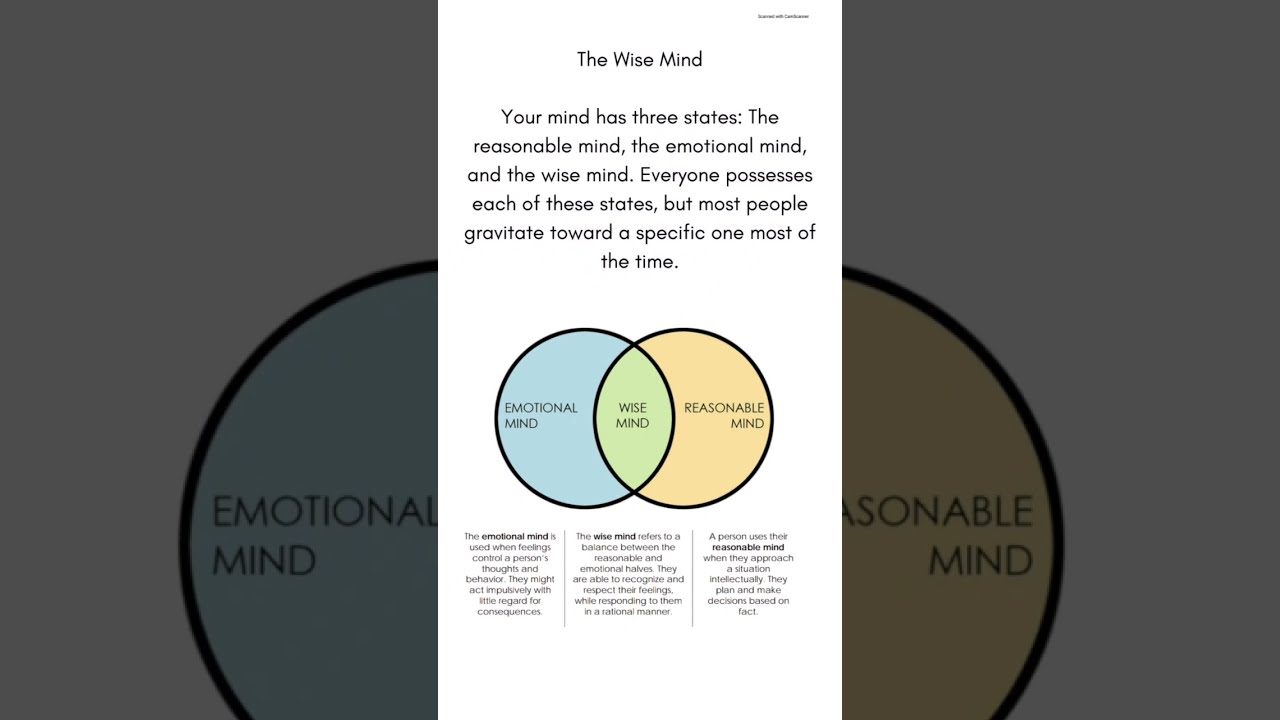
End-of-Day Reviews: Each evening, take time to reflect on what went well during the day and what could have gone better as part of DBT emotional mind rational mind wise mind balance techniques.
Gratitude Lists: Write down three things that you are grateful for each night before sleep.
Exploring DBT Skills for Mindfulness Development
6. Understanding Emotional Regulation Skills in DBT
Dialectical Behavior Therapy offers valuable skills for emotional regulation that can be integrated with mindfulness practices. These skills allow individuals to manage intense emotions effectively without resorting to unhealthy coping mechanisms.
Emotional Regulation Strategies:
- Identify and label emotions. Increase positive emotional events. Decrease vulnerability to emotion mind.
By learning these skills alongside mindfulness exercises, individuals can create a balanced approach toward their feelings—an essential element in achieving wise mind balance techniques in DBT therapy.
7. Distress Tolerance Skills: Handling Difficult Emotions
When faced with distressing situations or emotions, having tools at hand is vital:
- Self-soothing Techniques: Engage senses through soft music or comforting scents. Crisis Survival Skills: Distract yourself temporarily from painful emotions until they pass.
Integrating these techniques while practicing mindfulness helps foster resilience against life's challenges.
8. The Importance of Interpersonal Effectiveness in DBT
Healthy relationships are crucial for mental health:
- Use DBT interpersonal effectiveness skills when communicating needs effectively. Practice active listening by giving full attention during conversations—this is another way to integrate mindfulness!
Practicing these skills allows for deeper connections while maintaining self-respect—a balance many seek but find challenging.
9. Exploring Acceptance and Change Strategies Explained in DBT
Acceptance doesn't mean resignation; instead, it involves recognizing reality without judgment:
- Understand what you cannot change while focusing on actions you can take towards growth.
Balancing acceptance with change strategies enhances overall well-being; embracing this duality enriches your daily experiences by allowing growth amid challenges.
10. Seeking Professional Guidance: Family Therapy Calgary's DBT Approach
If you're struggling with implementing these strategies alone, consider seeking professional guidance through family counseling Calgary services specializing in DBT techniques:
- Trained professionals can help tailor approaches beneficial specifically for you.
Family therapy Calgary sessions build supportive environments where shared experiences lead toward collective healing—a fundamental aspect of practicing mindfulness within family dynamics.
11. Creating a Supportive Environment at Home
Your physical space plays a significant role in fostering mindfulness:
- Designate specific areas at home conducive to meditation or quiet reflection. Incorporate elements that inspire tranquility—soft lighting, calming scents like lavender or fresh flowers enhance mood naturally!
A peaceful environment complements mindful practices effectively while promoting consistency within daily routines!
12. Making Time for Nature: The Outdoor Connection
Nature has an incredible ability to ground us:
- Try spending time outdoors regularly! Go hiking or simply enjoy leisurely walks in local parks.
Engaging with nature helps reset our minds—it reminds us of our place within this vast world—a key aspect behind finding balance between emotional states too!
13. Practicing Self-compassion Through Mindfulness Exercises
Being kind to yourself is essential:
- Acknowledge imperfections without harsh judgment!
Practice self-compassion by treating yourself as gently as you would treat someone else facing similar struggles—this perspective fosters resilience over time!
14. Using Technology Wisely: Apps & Online Resources
Various apps offer guided meditations tailored specifically toward cultivating mindfulness:
1) Headspace 2) Calm 3) Insight Timer
These platforms provide structured support helping maintain accountability within personal journeys toward enhanced awareness!
15. Setting Realistic Goals: Achieving Progress Gradually
Instead of overwhelming yourself trying new techniques all at once—set realistic goals based on current capabilities!
Start small; perhaps dedicate just 5 minutes per day per new practice introduced gradually over weeks/months leading toward sustainable growth patterns over time!
Conclusion
Developing mindfulness may seem daunting at first glance but remember—it doesn’t require perfection! By integrating small yet impactful practices throughout daily routines—with patience—you’ll gradually cultivate an enriched awareness guiding both thoughts & actions harmoniously together leading ultimately toward healthier living!
As we’ve explored throughout this article—from understanding core concepts related back towards practical applications aligning directly tied closely together via DBT frameworks—we hope readers gain insight regarding enhancing mental well-being through adopting mindful approaches regularly incorporated seamlessly inside everyday life experiences moving forward confidently ahead!
Frequently Asked Questions (FAQs)
1. What is the primary benefit of practicing mindfulness?
Mindfulness enhances our ability to cope with stress by fostering https://luxurylifestyle.com/headlines/dbt-the-emotional-mind-the-rational-mind-and-the-wise-mind.html greater awareness of our thoughts and feelings without being overwhelmed by them.
2. How does Dialectical Behavior Therapy relate to mindfulness?
DBT incorporates mindfulness as one of its core skills aimed at helping individuals regulate emotions more effectively while promoting balanced thinking patterns known as wise mind balance techniques.
3. Can I practice mindfulness if I have no prior experience?
Absolutely! Anyone can start practicing mindfulness regardless of previous experience—it’s all about beginning gradually at one's own pace!
4. How often should I engage in mindful practices?
Aim for consistency rather than frequency; even dedicating just 5–10 minutes per day can yield significant benefits over time if practiced regularly!
5. Is it possible to integrate family members into my mindfulness journey?
Yes! Engaging family members creates supportive environments encouraging shared experiences leading towards collective healing—consider exploring group activities centered around meditation or nature walks together!
6. What resources are available if I need professional help developing these skills?
Seek out trained professionals specializing within Family Therapy Calgary services offering DBT approaches—these experts will guide tailored strategies suited specifically towards individual journeys enhancing personal growth along every step taken forward!
By following these practical tips for developing mindfulness in your daily routine, you'll pave the way toward improved mental health while nurturing deeper connections—not only within yourself but also amongst those around you!